assyrian etiketine sahip kayıtlar gösteriliyor. Tüm kayıtları göster
17 Aralık 2021 Cuma
WHAT IS THE NEO-BABYLONIAN?
Neo-Babylonian: a political and economic period of weakness during the early 1st millennium bc which ended with the absorption of Babylonia into the Neo-Assyrian Empire by 688 bc. A rebellion in the 620s evicted the Assyrians and in alliance with Medes, they destroyed the Assyrian Empire in 612 bc. Persia’s Cyrus invaded and occupied Babylon in 539 bc.
Etiketler:
assyrian,
babylon,
babylonia,
medes,
neo-babylonian
16 Aralık 2021 Perşembe
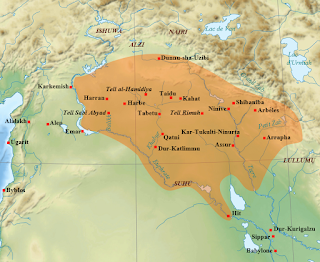
WHAT IS THE NEO-ASSYRIAN ?
Neo-Assyrian: a political period of the Assyrian Empire in the Iron Age, an extension of the Middle Assyrian. It lasted from Assurnasirpal II (883–859 bc) until Sargon, Sennacherib, Esarhaddon, and finally Assurbanipal (668–627 bc). The Assyrian Empire was destroyed by the Babylonians and Medes in 612 bc. The Neo-Assyrian period was the great era of Assyrian power, and writings culminated in the extensive records from the library of Ashurbanipal at Nineveh (c. 650 bc). Neo-Assyrian is also the name of the cuneiform script of the time.
23 Nisan 2020 Perşembe
WHAT IS THE MIDDLE ASSYRIAN PERIOD?
1. A period in the history of the Assyrian Empire extending from the 14th to 12th centuries bc. In the Late Bronze Age, Assyria was dominated by the Mitanni state, but in the 14th century bc, Assyria became dominant. Ashur-uballit I created the first Assyrian Empire and initiated the Middle Assyrian period. With the help of the Hittites, he destroyed the dominion of the Aryan Mitanni (a non-Semitic people from upper Iran and Syria) and ravaged Nineveh. Later, allied with the Kassite successors in Babylonia, Ashur uballit ended Hittite and Hurrian rule. By intermarriage he then influenced the Kassite dynasty and eventually dominated all of Babylonia, thus paving the way for the Neo Assyrian mastery during the Sargonid dynasty (12th to 7th century). The succeeding Assyrian kings expanded the empire through northern Mesopotamia and the mountains to the north and briefly occupied Babylonia. Several kings weakened Assyria, but then others brought back its dominion. 2. The name of a form of cuneiform that was used extensively in writing law code and other documents. Middle Assyrian laws were found on clay tablets at Ashur (at the time of Tiglath-pileser I, 1114–1076 bc).
17 Nisan 2020 Cuma
WHAT IS THE LAMASSU?
Colossal stone figures – part human, part animal – carved on the doorways of Assyrian and Achaemenid buildings, as at Nineveh. They were guardian figures.
7 Nisan 2015 Salı
WHAT IS THE CART ?
CART: A two-wheeled vehicle drawn by a draft animal, used throughout recorded history for the transportation of goods and people. The cart, usually drawn by a single animal, was used by the Greeks and the Assyrians by 1800 bc. However, such vehicles could have been used as early as 3500 bc as an extension of the invention of the wheel. Bronze Age finds in Heathery Burn included four nave-bands for a four-wheeled cart. La Tène two-wheeled chariots are found from the 3rd century bc.
Etiketler:
archaeology,
assyrian,
cart,
mesopotamia,
prehistoric,
prehistory,
protohistory
Kaydol:
Kayıtlar (Atom)

